




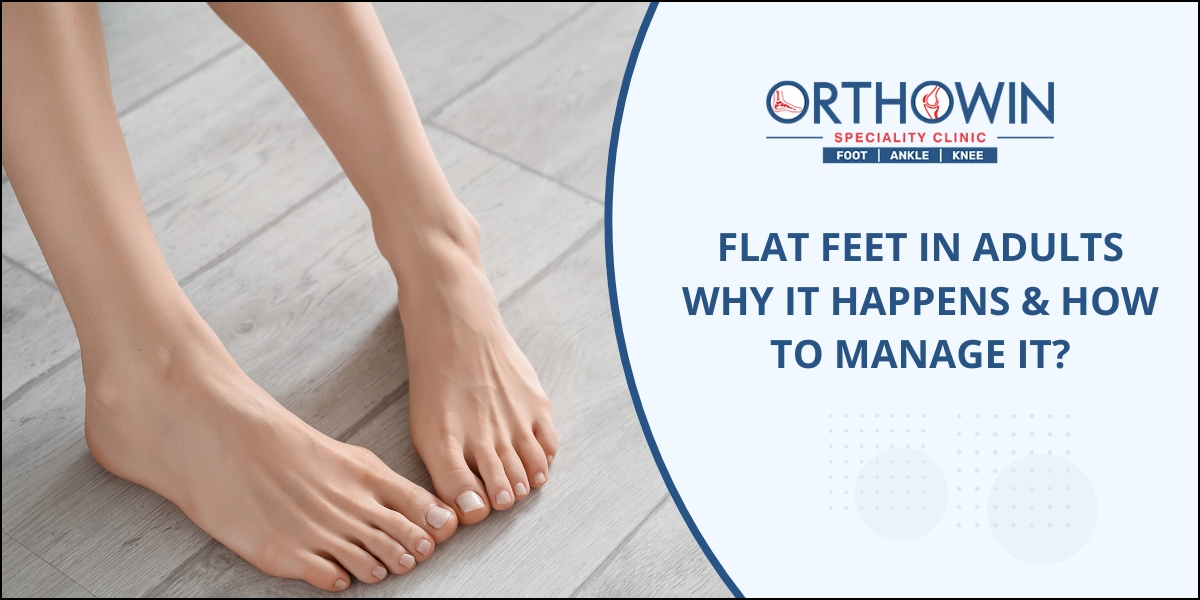
Flat feet, also known as fallen arches, is a common condition where the arches on the inside of your feet are flattened, allowing the entire sole to touch the floor when standing. While often present from childhood, many adults develop the condition later in life. Understanding why it happens and how to manage it is key to maintaining comfort and mobility.
Why Do Adults Develop Flat Feet?
Unlike congenital flat feet, the adult-acquired version typically results from changes in the structure and support of your foot. The posterior tibial tendon, which runs along the inside of your ankle and is the main arch supporter, can become weakened or injured over time. This tendon dysfunction is a primary culprit.
Several factors contribute to this change:
-
Aging and Wear & Tear: Natural aging can cause the tendon to stretch or tear.
-
Weight Gain: Increased body weight puts additional stress on the arch-supporting structures.
-
Injury: Ankle or foot injuries can damage the tendon or ligaments.
-
Medical Conditions: Arthritis, diabetes, and hypertension can increase risk.
-
Occupational Stress: Jobs requiring prolonged standing or high-impact activities can accelerate the process.
How to Manage and Alleviate Discomfort
Effective management focuses on reducing pain, improving function, and preventing progression. Non-surgical approaches are the first line of defense:
-
Supportive Footwear: Ditch shoes with little to no support. Look for well-constructed shoes with good arch support, a firm heel counter, and ample cushioning.
-
Orthotic Inserts: Custom or high-quality over-the-counter orthotics can provide the arch support your feet lack, evenly distribute pressure, and reduce strain on the posterior tibial tendon.
-
Physical Therapy: A therapist can teach you exercises to strengthen foot and ankle muscles, improve flexibility, and correct gait issues.
-
Weight Management: Maintaining a healthy weight reduces the load and stress on your feet significantly.
-
Activity Modification: Temporarily switching to low-impact activities like swimming or cycling during flare-ups can give your feet a necessary break.
If pain persists despite conservative care, or if the deformity is worsening, consulting a specialist is crucial. They may explore advanced interventions like immobilization in a boot or, in select cases, surgical reconstruction to restore the arch and tendon function.
Seeking expert care for flat foot treatment in Pune – Dr. Chetan Oswal is a renowned Foot & Ankle Specialist dedicated to diagnosing and treating complex foot conditions like adult-acquired flat feet.
FAQs on Flat Feet in Adults
Q: Can flat feet be corrected in adults?
A: While the structure may not fully change without surgery, symptoms are highly manageable with orthotics, proper shoes, and exercises, often providing excellent correction of function and pain relief.
Q: What are the best shoes for flat feet?
A: Look for shoes labeled “motion control” or “stability,” with firm midsoles, structured arch support, and a wide toe box. Avoid completely flat, flexible shoes.
Q: Are flat feet a disability?
A: Not typically. Only in severe, painful cases that significantly limit walking or standing, and after medical evaluation, might it be considered for disability benefits.
Q: Do flat feet cause back pain?
A: Yes, they can. Fallen arches alter leg alignment and gait, potentially leading to knee, hip, and lower back pain due to uneven stress distribution.
Q: What exercises fix flat feet?
A: Towel scrunches, arch lifts, calf stretches, and exercises that strengthen the posterior tibial tendon (like heel raises) can help improve arch muscle strength and stability.