





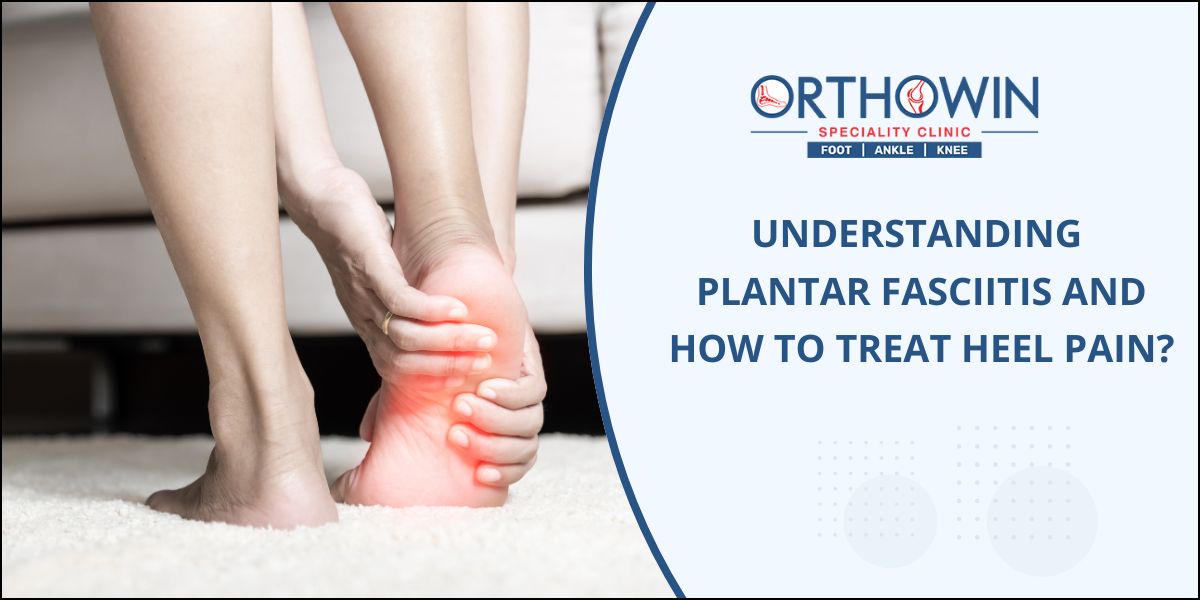
Do you experience a sharp, stabbing pain in your heel when you take your first steps in the morning? If so, you might be one of the millions of people affected by plantar fasciitis. This common foot condition is a leading cause of heel pain, impacting runners, office workers, and active individuals alike. Understanding what it is and how to treat it can be the first step toward pain-free movement.
What is Plantar Fasciitis?
Plantar fasciitis refers to the inflammation of the plantar fascia—a thick, fibrous band of tissue that runs along the bottom of your foot, connecting your heel bone to your toes. This ligament acts like a shock-absorbing bowstring, supporting the arch of your foot. When excessive stress or strain is placed on this tissue, small tears can develop, leading to irritation and inflammation. The result is the characteristic heel pain, often most severe with the first steps after rest.
Common Causes and Risk Factors
Several factors can contribute to the development of plantar fasciitis:
- Overuse and Activity: Repetitive impact from running, prolonged standing, or a sudden increase in activity.
- Foot Mechanics: Flat feet, high arches, or an abnormal walking pattern can affect weight distribution.
- Improper Footwear: Shoes with poor arch support or thin soles.
- Weight and Occupation: Excess body weight or jobs that keep you on your feet for long periods.
- Age and Tight Muscles: The plantar fascia loses elasticity with age, and tight calf muscles or Achilles tendons can increase strain.
Effective Treatment Strategies for Heel Pain
The good news is that most cases of plantar fasciitis resolve with conservative, at-home treatments. Consistency is key.
- Rest and Ice: Reduce activities that aggravate the pain. Apply ice to the heel for 15-20 minutes several times a day to reduce inflammation.
- Stretching Exercises: Gentle, regular stretching of the calf muscles and plantar fascia is crucial. A simple exercise involves rolling a frozen water bottle or tennis ball under your arch.
- Supportive Footwear: Wear shoes with good arch support and cushioning at all times, even indoors. Avoid walking barefoot.
- Orthotics and Night Splints: Over-the-counter or custom orthotic inserts can provide additional support. Night splints hold the foot in a flexed position overnight to prevent the fascia from tightening.
- Physical Therapy: A therapist can teach you targeted exercises and may use techniques like ultrasound or taping.
- Medical Interventions: If pain persists, a specialist may recommend corticosteroid injections, extracorporeal shockwave therapy (ESWT), or, in rare cases, surgery.
When to See a Specialist
If your heel pain is severe, persists for more than a few weeks despite home care, or is accompanied by swelling, redness, or numbness, it’s time to consult a professional. A foot and ankle specialist can provide an accurate diagnosis, rule out other conditions, and create a personalized treatment plan to get you back on your feet comfortably and effectively.
Struggling with persistent heel pain. Consult Dr. Chetan Oswal, a renowned foot and ankle specialist in Pune, offers comprehensive diagnosis and personalized care for plantar fasciitis in Pune. With a focus on both non-surgical and advanced treatment modalities, he provides effective heel pain treatment in Pune, helping patients return to their daily activities without discomfort. Don’t let heel pain limit your life—seeking timely, specialized care is the best step toward lasting relief.
Watch this video to learn more : Plantar Fasciitis क्या होता है ? लक्षण और इलाज
FAQs About Plantar Fasciitis
1. What is the main cause of plantar fasciitis?
The main cause is repetitive strain and micro-tears in the plantar fascia ligament, often from overuse, improper footwear, or abnormal foot mechanics.
2. What are the first signs of plantar fasciitis?
The first and most common sign is a sharp, stabbing pain in the bottom of the heel, especially with the first few steps in the morning or after sitting.
3. Is it OK to walk with plantar fasciitis?
Gentle walking is usually okay, but you should avoid prolonged standing, high-impact activities, and walking barefoot on hard surfaces to prevent further irritation.
4. What is the fastest way to cure plantar fasciitis?
While healing takes time, the fastest relief often comes from combining rest, ice, consistent stretching, and wearing supportive shoes or orthotics from the first sign of pain.
5. Does plantar fasciitis go away on its own?
It can, but it may take many months without proper treatment. Active management with stretching, supportive measures, and lifestyle changes significantly speeds up recovery and prevents recurrence.