





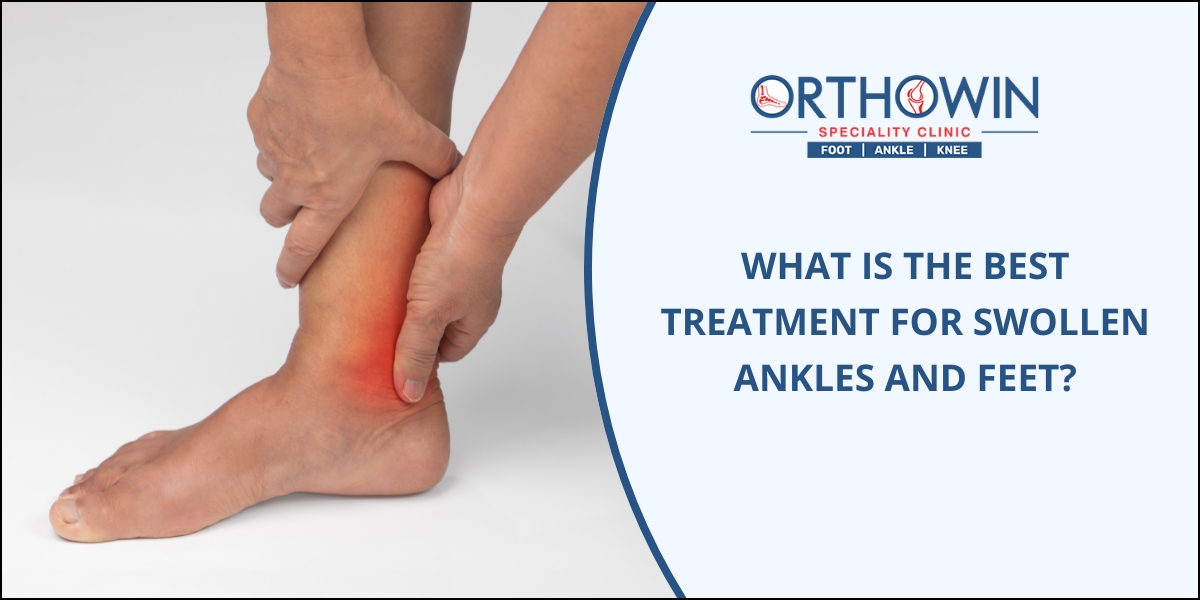
Swollen ankles and feet are a common problem that many people experience at some point in their lives. You might notice your shoes feeling tight, your feet looking puffy, or even mild discomfort while walking. This condition, medically known as edema, happens when excess fluid builds up in the tissues of your lower legs. While occasional swelling is usually harmless, persistent or severe swelling can sometimes indicate an underlying health issue that needs attention.
Let’s break it down in simple terms so you can understand what causes it and what the best treatments are.
What Causes Swollen Ankles and Feet?
Before jumping into treatment, it’s important to know why your feet are swelling. Common causes include:
- Standing or sitting for long hours
- Pregnancy
- Excess salt intake
- Injury or sprain
- Obesity
- Poor blood circulation
- Medical conditions like kidney, heart, or liver disease
Sometimes, even something as simple as sitting with your legs down for too long can cause fluid to collect in your feet.
Best Treatments for Swollen Ankles and Feet
1. Rest and Elevation
One of the easiest and most effective treatments is to elevate your legs. When you lie down and raise your feet above heart level, gravity helps move the fluid back into circulation.
Try this:
- Lie down and place pillows under your feet
- Do this for 15–20 minutes, 2–3 times a day
This simple habit can significantly reduce swelling, especially after a long day.
2. Reduce Salt Intake
Eating too much salt causes your body to hold onto water. This can make swelling worse.
What you can do:
- Avoid packaged and processed foods
- Cut down on chips, pickles, and salty snacks
- Drink plenty of water to flush out excess sodium
A balanced diet can make a noticeable difference in swelling.
3. Stay Active and Exercise
Movement helps improve blood circulation. If you sit or stand for long hours, fluid tends to collect in your feet.
Helpful activities:
- Walking
- Ankle rotations
- Stretching exercises
Even small movements every 30–60 minutes can prevent swelling from getting worse.
4. Compression Stockings
Compression socks gently squeeze your legs and improve blood flow. They are especially helpful for people who:
- Stand for long hours
- Travel frequently
- Have varicose veins
You can easily find them at medical stores, but it’s best to choose the right size for comfort and effectiveness.
5. Cold Compress
Applying a cold pack can help reduce inflammation and swelling.
How to use:
- Wrap ice in a cloth
- Apply for 10–15 minutes
- Repeat 2–3 times daily
This works well if swelling is due to injury or overuse.
6. Maintain a Healthy Weight
Extra body weight puts pressure on your veins, which can slow down circulation and cause swelling.
Even small changes like:
- Regular walking
- Healthy eating
- Reducing sugar intake
can help reduce pressure on your legs and improve overall health.
7. Medications (If Needed)
If swelling is severe or caused by a medical condition, a doctor may prescribe:
- Diuretics (water pills)
- Anti-inflammatory medicines
Important: Never self-medicate. Always consult a doctor before taking any medicines.
When Should You See a Doctor?
While mild swelling is common, you should not ignore it if:
- Swelling lasts for many days
- It is painful or worsening
- One leg is more swollen than the other
- You have difficulty breathing
- There is redness or warmth in the area
These could be signs of a serious condition like infection, blood clot, or heart problem.
Simple Home Tips That Really Help
Here are some everyday habits that can prevent swelling:
- Avoid sitting cross-legged for long periods
- Keep moving throughout the day
- Wear comfortable footwear
- Drink enough water
- Avoid tight clothing around legs
Small lifestyle changes often bring big relief.
Expert Care Matters
If your swelling is frequent or doesn’t improve with home remedies, consulting a specialist is the best step.
Dr. Chetan Oswal is a highly experienced Foot & Ankle Specialist in Pune, known for diagnosing and treating conditions related to foot pain, swelling, diabetic foot issues, and ankle problems. If you are struggling with persistent swelling in your ankles or feet, consulting an expert like Dr. Chetan Oswal can ensure accurate diagnosis and the right treatment plan tailored to your needs.
Swollen ankles and feet can be uncomfortable, but in most cases, they are manageable with simple lifestyle changes and home remedies. Elevation, proper diet, exercise, and hydration can go a long way in reducing swelling. However, never ignore persistent or severe symptoms. Listening to your body and seeking timely medical advice can help you stay healthy and active without unnecessary complications.
FAQs
1. Is swollen feet a serious problem?
Not always. Mild swelling is common, but persistent or painful swelling should be checked by a doctor.
2. Can drinking more water reduce swelling?
Yes, proper hydration helps flush out excess salt and reduces fluid retention.
3. Are swollen ankles common during pregnancy?
Yes, it is very common due to hormonal changes and fluid retention.
4. How long does swelling usually last?
It depends on the cause. Mild swelling may go away in a few hours, while other cases may take days.
5. Can walking reduce swelling in feet?
Yes, walking improves circulation and helps reduce fluid buildup in the legs.